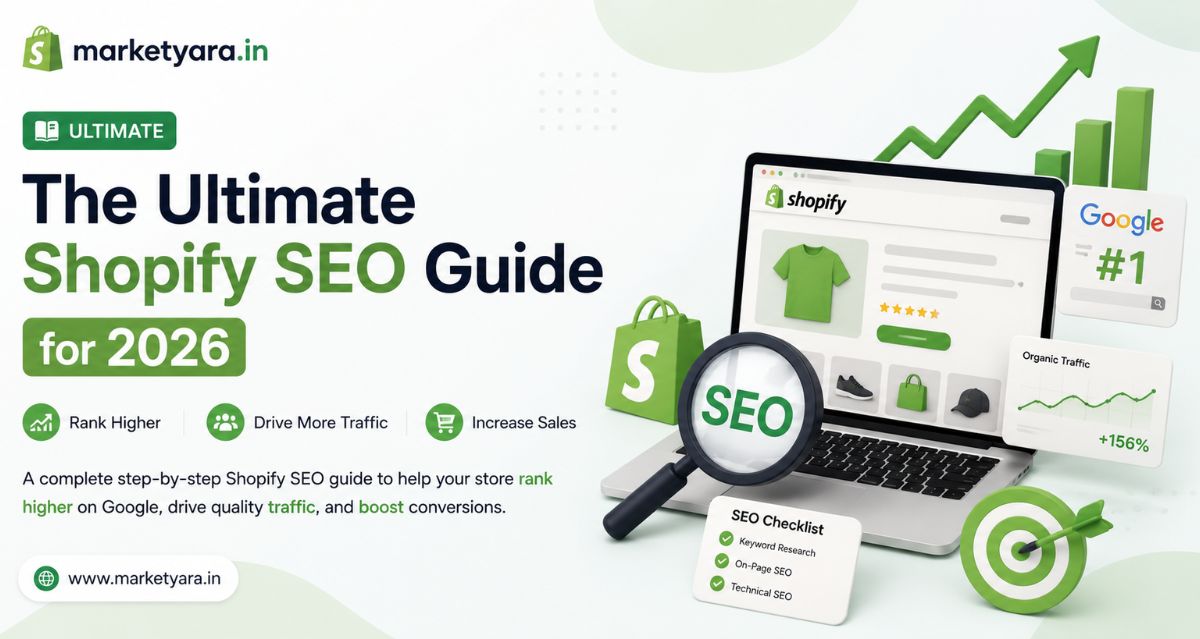
The Ultimate Shopify SEO Guide for 2026: Rank Higher, Drive More Traffic & Increase Sales
The e-commerce landscape is changing rapidly. As we navigate through 2026, launching a visually appealing Shopify store is easier than ever, but getting it to rank consistently on search engines is a highly competitive endeavor. The days of simply stuffing product pages with keywords and expecting a flood of traffic are long gone. Today, Google’s algorithms emphasize Answer Engine Optimization (AEO), technical perfection, and strict adherence. If you want to dominate the Search Engine Results Pages (SERPs) in the highly competitive USA market, you need a robust, data-driven approach to Shopify SEO. Whether you are a scaling direct-to-consumer brand or an established enterprise, relying solely on paid ads results in diminishing returns and shrinking margins. Sustainable, long-term growth comes from commanding organic visibility. In this comprehensive guide, we will break down the exact strategies that a top-tier Shopify SEO Agency employs to secure leading rankings, drive high-intent traffic, ensure quicker indexing, and maximize store conversions.
The Evolution of Ecommerce SEO Shopify in 2026
Search engines have evolved from simple keyword-matching engines into sophisticated AI-driven answer engines. With the rise of zero-click searches and AI overviews, understanding and fulfilling user intent is the absolute priority. For a dedicated Shopify SEO Expert, success no longer lies in isolated meta tags; it requires a holistic strategy that integrates technical health, in-depth content, and undeniable topical authority.
Modern Ecommerce SEO Shopify best practices dictate that your collection and product pages must do more than display items—they must anticipate and answer specific customer questions. plays a massive role in this ecosystem. Google wants to see firsthand experience, reliable customer reviews, and clear brand authority before recommending your products to a discerning buyer in the USA. Building this level of trust requires publishing high-value content, maintaining transparent business operations, and structuring your site logically so search engine crawlers can seamlessly interpret your store’s purpose.
The Foundation: Mastering Shopify Technical SEO
A beautiful storefront means nothing if search engines cannot crawl and index your pages efficiently. Shopify Technical SEO forms the invisible bedrock of your organic success. In 2026, managing your crawl budget and ensuring rapid, accurate indexation are critical, particularly for stores with extensive product catalogs.
1. Streamlined Site Architecture & Navigation
A logical site structure helps both users and search engines navigate your store. Maintain a flat hierarchy—a user (and a search bot) should be able to reach any core product within three clicks from the homepage. Deeply buried product pages lose authority, take significantly longer to index, and rarely rank well. When building out menus, ensure your navigation reflects primary search intent rather than just internal cataloging logic.
2. Managing Faceted Navigation
One of the most persistent technical hurdles on Shopify is duplicate content generated by collection filters (e.g., sorting by size, color, or material). A store with 50 products and multiple filter options can accidentally create hundreds of near-identical URLs. Implementing robust canonical tags and precise noindex directives ensures that search engines focus on your primary category pages rather than indexing endless filter combinations, preserving your crawl budget.
3. Advanced Structured Data Implementation
Implementing rich snippets—such as Product, Review, FAQ, and Merchant Listing schema—is no longer optional; it is standard practice. This markup allows your star ratings, pricing, and availability to appear directly in the SERPs. Standing out visually in the search results drastically improves your Click-Through Rate (CTR) and signals to Google that your site is a rich, structured source of information.
Driving Conversions with Shopify Speed Optimization
Core Web Vitals continue to be a significant ranking factor. A slow-loading site frustrates users, leading to high bounce rates and abandoned carts—signals that actively harm your organic rankings. Effective Shopify Speed Optimization involves addressing backend bottlenecks to deliver a seamless shopping experience.
The most common culprit for sluggish Shopify stores is app overload. Every installed app adds third-party JavaScript that delays page rendering. To maintain a competitive edge, perform a rigorous quarterly audit of your apps and mercilessly cull anything that does not directly contribute to revenue.
Furthermore, optimizing visual assets is non-negotiable. Serve images in next-gen formats like WebP, implement lazy loading for below-the-fold content, and ensure mobile responsiveness is flawless. A lightning-fast site not only appeases search algorithms but directly increases your bottom-line sales.
Conducting a Comprehensive SEO Audit
Before launching aggressive new marketing campaigns, it is vital to know exactly where your store currently stands. A comprehensive SEO Audit acts as a diagnostic health check, uncovering hidden technical flaws, indexing roadblocks, and highlighting lucrative optimization opportunities.
A professional audit must encompass:
- Indexation and Crawlability: Reviewing Google Search Console to identify excluded pages, 404 errors, and redirect loops. Ensuring sitemaps are pristine leads to quicker indexing of new product lines.
- On-Page Elements: Evaluating the optimization of Title tags, H1 headers, meta descriptions, and image alt text across all priority pages.
- Content Gaps: Analyzing competitor content in the USA market to identify high-value keywords your store is currently missing.
- Backlink Profile Quality: Ensuring that incoming links are from authoritative, relevant sources rather than toxic directories.
If managing this diagnostic process internally seems overwhelming, partnering with a seasoned Ecommerce SEO Agency can provide you with a prioritized roadmap. At MarketYara, we believe in establishing a flawless technical foundation before aggressively scaling your organic reach.
Content Strategies That Establish Authority
Publishing sporadic, thin blog posts will not move the needle. You need a targeted content strategy built around topic clusters to establish genuine topical authority. When optimizing your pages, integrate Answer Engine Optimization (AEO) by answering specific customer queries directly within your product descriptions and category pages.
Focus heavily on high-intent, long-tail keywords. For instance, rather than fighting for the overly broad term “organic coffee,” target “best organic dark roast coffee for espresso machines.” Ensure that your collection pages feature unique introductory text that provides context to search engines, and write product descriptions that focus on tangible user benefits rather than just listing manufacturer specifications. Highlighting real customer testimonials and usage guides on these pages directly supports the Experience and Trust pillars of.
Accelerating Growth with Professional SEO Services for Shopify
DIY SEO can only take an e-commerce business so far. As your brand scales, the technical complexities, content demands, and link-building requirements necessitate dedicated expertise. Investing in professional SEO Services for Shopify ensures that every aspect of your store is continually refined to meet the latest algorithmic shifts.
An experienced agency team will handle the heavy lifting – from resolving JavaScript rendering issues and forcing quicker indexing via API tools to developing high-converting landing pages. If you are serious about dominating your niche and capturing high-value traffic, explore our specialized Shopify Marketing Services to see how expert intervention can exponentially increase your organic revenue stream.
Frequently Asked Questions (FAQs)
What makes a Shopify SEO Expert different from a general SEO consultant?
A Shopify SEO Expert intimately understands the unique technical constraints and structural nuances of the Shopify platform. They are well-versed in managing Shopify's specific URL structures, canonicalization challenges, default robots.txt behaviors, and overcoming the limitations of theme-based architecture.
How long does it take for Ecommerce SEO Shopify strategies to show tangible results?
SEO is a long-term compounding investment. Typically, substantial organic growth and improved rankings take between 3 to 6 months. This timeline depends on the competitiveness of your industry (especially in the US market), the initial technical health of your website, and the aggressiveness of the execution.
Is Shopify Speed Optimization really necessary if my site looks fine to me?
Yes. Even if a site appears to load quickly on a high-speed connection, Google evaluates performance using strict Core Web Vitals metrics across various devices and network speeds. Passing these technical thresholds is required for optimal rankings, and even millisecond improvements can lead to noticeable increases in conversion rates.
How often should I perform an SEO Audit on my store?
For active e-commerce stores, a comprehensive audit should be conducted bi-annually. However, technical monitoring (like checking Google Search Console for crawl errors and indexing drops) should be done monthly to ensure new products or apps haven't introduced critical issues.